Built in Minneapolis for the category teams that couldn't get what they needed from enterprise tools.
Greg Halvorsen founded Retailloom in Minneapolis in 2023 after spending several years in retail analytics supporting mid-market chains. The pattern he kept seeing: category managers who were experienced, data-curious, and deeply knowledgeable about their categories — but spending 60% of their week building POS pivot tables that were already a season behind the decisions they were trying to inform.
The enterprise tools existed. Symphony RetailAI. Blue Yonder. Oracle Retail Planning. But they were scoped and priced for chains with 200+ stores and dedicated IT departments. A regional chain with 15 to 50 stores had no practical option between "enterprise contract that starts at $2K a month and takes six months to implement" and "Excel pivot table from last season's sell-through averages."
Retailloom is built for that gap. It does one thing: tells category teams which SKUs to cut, keep, or reorder — by store, every week — at a price and setup complexity a 3-person team can manage without an IT project. It is not a planning suite, not a forecasting engine, and not a replacement for the category manager's judgment. It is the ranked list that gets your Monday morning started.
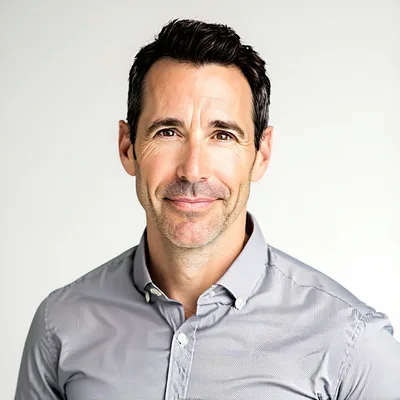
Three people. One very specific problem.
Retailloom is a small team by design. We work closely with every customer.
Greg Halvorsen
CEO & Co-Founder
Retail analytics background supporting mid-market chains on category management and assortment planning. Spent years watching the same Excel-driven review cycle before building the tool to replace it. Minneapolis native.

Priya Mehta
Head of Product
Former product manager at a retail business intelligence company, where she worked directly with category and merchandising teams on reporting tools. Focused at Retailloom on the workflow from raw POS data to the decision sheet — specifically on making the output something a buyer can act on without interpretation.

Marcus Webb
Data Engineer
Builds and maintains Retailloom's data ingestion pipeline and POS integration layer — the part of the product that takes a Friday transaction export and turns it into a Monday decision sheet. Previously worked on supply chain data infrastructure at a regional distributor, which gave him a practical education in how messy retail data actually gets before it reaches a clean table.
Retail's quiet capital.
Minneapolis doesn't get the same attention as New York or San Francisco in retail tech circles. But the retail companies that have shaped how American merchandise actually gets bought and shelved — Target, General Mills, Best Buy, Supervalu — built their operations and category management thinking here.
For Retailloom, that geography is practical, not decorative. Our early conversations happened at retail industry events in the Twin Cities, with buyers and category managers from regional chains in the 10-to-50-store range. Those conversations shaped every decision about which signals to track, how to present a cut list, and what a useful onboarding process looks like for a two-person category team.
There is a tradition in the Upper Midwest of building functional, direct tools close to the actual operation — not pitching from a distance to people who've never walked a store floor. Retailloom is built in that tradition.